Key Benefits of Using Software Helpdesk Services
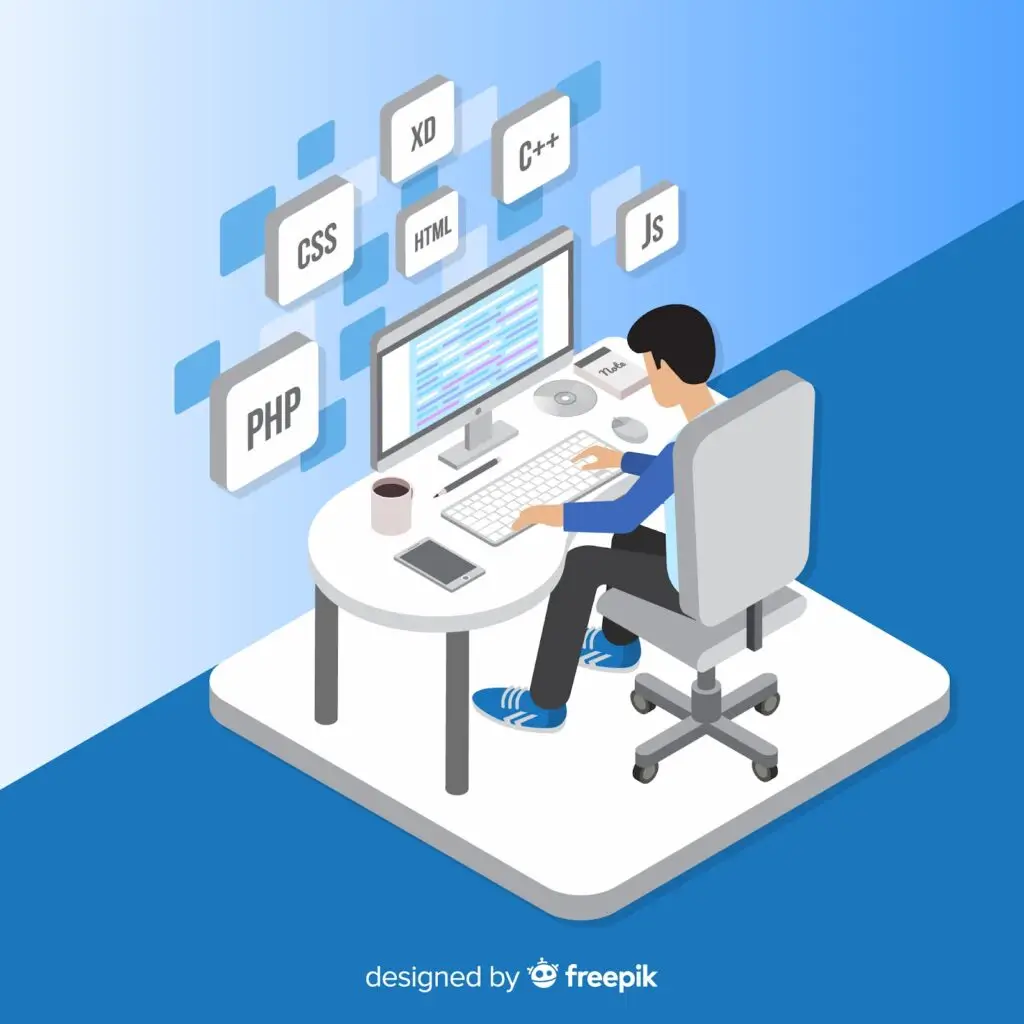
Consumers in the fast-paced digital terrain of today want quick, consistent service across all media. Response time and quality of assistance can either strengthen or destroy a customer’s loyalty depending on the question, related to a product, a service, or a technical malfunction. Software helpdesk services then find use in this regard. These systems are meant to simplify customer support processes so that companies may quickly, precisely, consistently provide outstanding services. Software helpdesk solutions are changing quickly as more businesses migrate to cloud-based platforms and remote work models to combine artificial intelligence, automation, and advanced analytics to rethink the support experience. The main advantages of implementing such technologies, their relevance for contemporary companies, and how they might change your customer service infrastructure are investigated in this paper. Definition of Software Helpdesk Services Software helpdesk services are platforms or systems that consolidate, automate, and oversee customer support chores. These programs track issue resolution, route incoming support tickets to the relevant departments, and provide self-service portals to consumers. Frequently cloud-based, they provide live chat, knowledge bases, automatic ticketing, SLA tracking, CRM and communication tool integration. Beyond answering basic questions, these systems today provide insights via AI-powered analytics, helping businesses to see trends, track agent performance, and project future assistance needs. Many helpdesk solutions also feature a technical support desk component, enabling IT personnel to handle internal support chores including password resets, network problems, and hardware troubleshooting with the same efficiency as outside client inquiries. Advantages of Software Helpdesk Services Let us now explore the main benefits companies get from implementing contemporary helpdesk systems. 1. Centralized Interchannel Communication Managing customer service can get messy with emails, live chat, phone, and social media distributed all around. Offering a consistent inbox for all support inquiries, a helpdesk system centralizes these exchanges. This guarantees that every question is registered, monitored, and handled correctly and that no ticket slips through the gaps. Agents can also examine consumer history across several platforms in one location, therefore enabling more educated and tailored answers. 2. Greater Efficiency and Faster Response Times Customer assistance depends on speed. Assigning tickets depending on kind of issue, priority, or agent expertise, a software helpdesk automates the ticketing process. AI chatbots, scripted responses, and auto-responses answer repeated questions so freeing agents to concentrate on difficult problems. Faster response times, better first-contact resolution rates, and higher customer satisfaction follow from these time-saving tools. 3. Streamline Workflow: The foundation of helpdesk systems is automation, which streamlines workflow. It lets companies create policies and procedures that automatically classify, rank, and route tickets. Technical support desk questions requiring IT security, for instance, can be directed to a particular team; product inquiries travel elsewhere. This simplification guarantees that top priorities get quick attention, increases team output, and lowers human error. 4. Reporting and Real-Time Analysis Generating in-depth reports on support metrics is one of the main advantages of contemporary software helpdesk solutions. Track: Finding bottlenecks, maximizing workforce levels, and enhancing general service quality all depend on these realizations. 5. Perfect Integration Using Other Corporate Tools Helpdesk systems fit perfectly with CRM systems, project management tools, and communication apps like Slack or Microsoft Teams. This interconnectedness guarantees that support agents have whole background on customer profiles, past encounters, and present problems. Such integration lets support staff work more closely with other departments and results in a more complete perspective of the customer journey. Modern Features Changing the Rules Current helpdesk systems have developed well beyond simple ticketing systems. These fresh capabilities transforming the customer support experience are: Read More: Multi-Channel Software Support The Fit of a Technical Support Desk A technical support desk is also quite important for companies whose internal support demands call for. It centers on enabling staff members to promptly address IT-related problems ranging from hardware failures and software defects to login problems. Businesses can apply comparable efficiency to their internal operations by employing the same helpdesk software handling consumer inquiries. This helps IT teams clearly manage their workload, lowers downtime, and raises staff output. Who Should Use Software Helpdesk Services? Virtually every business that values customer experience or operates in a digital environment can benefit from helpdesk solutions. Here are some examples: Businesses That Benefit Most: Important Factors Affecting Selection of Helpdesk Services: These elements should guide your choice of a software helpdesk solution: Making the correct helpdesk software investments will save time, save running costs, and greatly increase client loyalty. Learn more about other contact center solutions services Conclusion: Choosing to use software helpdesk services is about developing trust, scaling with simplicity, and providing consistent service experiences that keep customers returning not only about more effectively managing customer support. Modern helpdesks are reinventing what it means to service consumers in a digital age from real-time data to automation and AI-powered replies. Businesses can attain complete spectrum assistance by matching internal support systems such as the technical support desk with exterior customer service tactics, therefore enhancing both customer happiness and employee performance. Now is the time to investigate what helpdesk software can accomplish for your company if you still depend on antiquated systems or hand-written procedures. FAQs
The Importance of Multi-Channel Software Support

Consumers in the ever changing digital environment of today want quick, easy contact across multiple channels. Whether it’s a short DM on Instagram, a support ticket sent, or a live chat session on a website, the requirement of multi-channel software assistance has never been more vital. Companies that can offer consistent, high-quality service across all these platforms are the ones separating themselves in a market going more and more competitive. Appreciating Multi-channel Software Support and the Reasons Behind It Fundamentally, multi-channel software support is the ability of a corporation to use integrated solutions to provide customer service via several communication platforms – email, phone, social media, live chat, and messaging apps). Unlike conventional support systems that ran in silos, this method guarantees a simplified experience whereby consumers may interact on their chosen channel without any reduction in service quality. It matters so much now simply because consumers are everywhere. They want companies to match their seamless device and platform switching. Customers typically lose faith and move to rivals who can when businesses neglect to provide consistent communication. Multi-channel software support keeps companies linked wherever their clients are. Main advantages of multi-channel software support Let’s explore more the concrete benefits of including multi-channel support systems into your client service framework: Read More: IT Support Outsourcing How Omnichannel Technology Support Improves Experience Although multi-channel software allows consumers several ways to get in touch with you, omnichannel tech support takes one step further and combines those channels into a consistent experience. This means that a Facebook conversation begun on live chat can be carried on without the client repeating herself. It’s about giving support a human, coherent, intelligent feel. Companies that adopt omnichannel techniques find that user engagement and resolution rates dramatically increase. Recent research shows that organizations with strong omnichannel support systems keep 89% of their consumers, compared to 33% for those with less developed systems. Selecting Correct Multi-channel Program for Your Company Not every support tool is developed equal. Here’s what to search for in selecting a system: The Human Touch: Juggling Empathy Against Automaton Although depending mostly on technology is easy, keep in mind that consumers still yearn for real, human encounters. Although automation is great for simple searches and FAQs, your system needs to enable agents to intervene when empathy and sophisticated problem-solving call for it. The best multi-channel software support tools provide that ideal mix between allowing human touch and technology to coexist. Trends Changing Multi-channel Customer Support’s Future Rising customer expectations force companies to keep abreast of trends redefining support: Predictive Support & AI: Starting With a Multi-Channel Approach Start your investigation into multi-channel software support with following guidelines: Maintaining agility and responsiveness will help you to make sure your customer service is as vibrant and flexible as your customers demand it to be. Learn more about other contact center solutions services Conclusion In an age where customer expectations are higher than ever, adopting multi-channel software support is no longer optional, it’s essential. By offering consistent, efficient, and personalized service across all communication platforms, businesses not only enhance customer satisfaction but also gain a competitive edge. Pairing this approach with omnichannel tech support ensures a seamless and unified experience, reinforcing trust and loyalty. Investing in the right tools and strategies today will shape stronger, more resilient customer relationships tomorrow. FAQs
How IT Support Outsourcing Helps Businesses Focus on Core Operations

Businesses are under more and more pressure in the fast-paced digital terrain of today to be technologically current while also preserving efficiency in their primary operations. Particularly in small to mid-sized businesses, internal IT departments can struggle to meet demand as technology changes quickly. Here is where IT support outsourcing becomes a great weapon, offering a strategic advantage by letting businesses focus on what they do best and offload tech-related problems. The Growing Need for Outsourced IT Support Daily operations of modern companies depend mostly on technology. From cloud storage and data security to hardware maintenance and helpdesk support, IT is fundamental in company success. Managing these systems in-house, meanwhile, can be difficult and resource-intensive. Companies are choosing IT support outsourcing to gain from professional services without the overhead costs instead of extensively funding a full-scale IT crew. This change lets them concentrate inside resources on strategic projects instead of technical fixes. Advantages of outsourcing computer support Outsourced IT assistance provides a number of advantages directly related to operational efficiency and corporate goals: How does outsourcing IT support core business focus? The real value of outsourcing is its capacity to free mental space and time for your team. Internal teams can focus their efforts on product development, customer interaction, or sales plans rather than hours of handling system failures or software upgrades. For instance, a retail company outsourcing IT assistance might focus more on inventory control and customer experience instead on POS system faults. In a same vein, a healthcare provider can focus on patient care while a committed staff guarantees data protection and compliance. Perfect Integration with Managed IT Services Many outsourced IT support companies also provide managed IT services, a complete method whereby your whole IT system is continuously maintained and under active monitoring is guaranteed. Typical offerings of these services are regular software upgrades and patch management; cybersecurity protection and threat mitigatiion; data backup and disaster recovery plans; 24-hour network monitoring. Combining these managed services lets companies run smoothly with little disturbance. This preventive approach also helps to avoid small problems from becoming severe ones, therefore greatly lowering downtime. Strategic Alignment with Corporate Objectives Companies that choose the correct IT support provider have a strategic ally in addition to technical assistance. Expert suppliers support long-term goals with technology planning, take the time to grasp your business model, customize solutions, and align their offerings. Startups and mid-sized businesses hoping to expand without being mired in infrastructure constraints depend primarily on this strategic alignment. Access to strategic guidance and enterprise-level tools helps companies to develop and compete more successfully. Important Factors to Take Into Account When Selecting an Outsourced IT Support Partner Although the benefits are obvious, choosing the correct partner is absolutely vital. Keep these in mind: • Experience and Credentials: Search for companies with the correct certifications and a track record in your field. • Customizable Services: Make sure your company can grow with their adaptable service options. Essential is open communication on SLAs (Service Level Agreements), pricing, and support scope including transparency. • Security Compliance: Particularly if you handle sensitive data, make sure your provider adhers to industry standards and compliance procedures. Real-World Applications and Success Stories Embracing IT support outsourcing has helped several businesses greatly increase output and creativity. For instance, a UK fintech business used outsourced IT to enable worldwide development. The in-house team concentrated on creating core features and customer acquisition while managed IT services guaranteed system dependability resulting in a 40% revenue increase in one year. Similarly, schools are using outsourced models more and more to improve their infrastructure without going over budget. This strategy lets them improve educational opportunities while following data security rules. Challenges and Misconceptions: Some company owners still have doubt about IT assistance outsourcing notwithstanding its benefits. Typical worries are loss of control, data security, and communication breakdown. But these issues are mostly out of date given the sophisticated tools and service-level agreements of today. Modern providers guarantee safe cloud environments, provide dashboards with real-time reporting, and keep frequent check-ins to guarantee responsibility. The secret is to select a seller with open and cooperative attitude. Outsourced IT Services: Looking to the Future Demand for IT support outsourcing is expected to rise as digital transformation keeps reshining sectors. Some newly developing trends include: Cybersecurity and compliance management are increasingly important; artificial intelligence-driven monitoring tools for predictive maintenance; cloud-based support solutions; remote-first support models for distributed teams Companies that keep ahead of these trends will have less risk, more agility, and faster innovation. Learn more about other contact center solutions services Conclusion: By embracing IT support outsourcing, firms can securely focus on what actually matters—innovation, customer happiness, and growth – while leaving the tech hassles to the specialists. The future of corporate agility resides in smart delegation, and outsourcing your IT support might well be the best move you make this year. FAQs
How CRM Integration Improves Customer Support Efficiency and Personalization
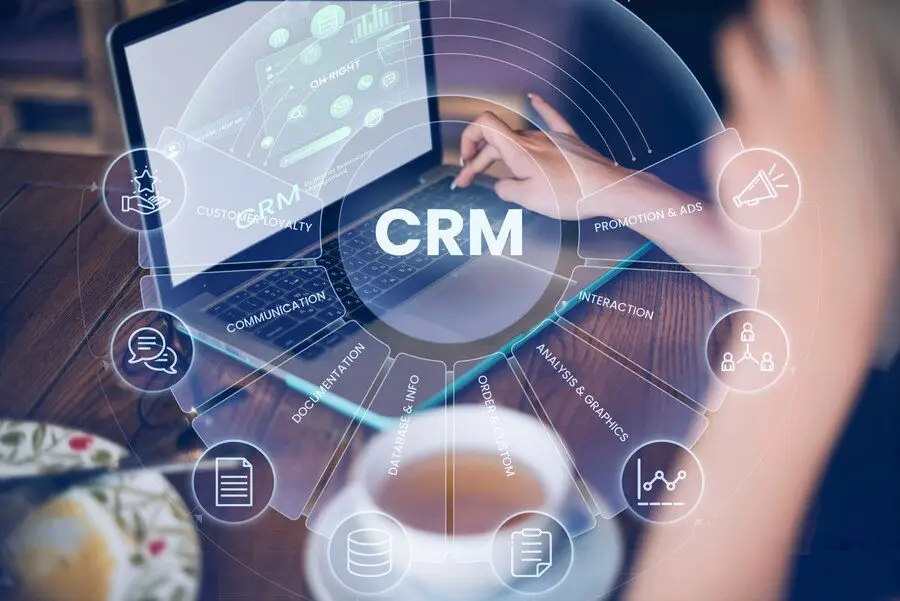
The fast-paced digital environment of today has changed consumer expectations. People no longer accept slow responses or generic answers or delayed help. Rather, they want quick, tailored, and powerful service. Businesses are looking to CRM integration for customer care as a critical solution to satisfy these new needs. Businesses can lower response times, boost agent productivity, and offer first-rate service by tying Customer Relationship Management systems with support solutions. But just exactly how does it work? let’s investigate. The Important Role CRM Integration Plays in Customer Support Names, contacts, purchase behaviour, conversations, preferences, and more are all contained in a CRM system—that is, comprehensive customer data. Integration of this abundance of data into your customer care technologies makes it immediately available to help agents. Agents no longer have to repeatedly probe or alternate between several systems. Rather, they obtain a whole picture of the customer’s path, which enables them to provide prompt and well-informed answers. This enhances the whole experience, not only increases speed. CRM integration essentially builds a flawless link between systems, departments, and communications. Read More: Cloud Based Customer Support Main Advantages of CRM integration for client support Faster response times Support agents can fix problems far more quickly when they have complete client profiles and historical interaction access. Time is lost wondering about questions the business already knows the solutions for. Individualized encounters Customers want not to feel like a ticket number. Customized responses, product recommendations, and assistance based on personal client preferences are made possible by CRM data helping agents. Consistency Over Media Agents observe all past interactions from one perspective whether a consumer contacts them via email, phone, or social media. This guarantees constant support independent of the platform. Improved Team Work Not only support but also sales, marketing, and product teams are included into CRM tools. Everyone keeps in time, which improves internal communication by means of smoother flow. Effective CRM Tools Improving Support Bullet points will be included just under this header and below. Unified Customer Profiles: When behaviour points to discontent, CRM might set off follow-up or retention initiatives. How Personalized CRM Gets Beyond the Minimum Requirements Personalising isn’t only applying a customer’s name. By means of CRM data, companies can customise: Customers are shown by this degree of personalising that they are really understood, which fosters loyalty. Actual Case Study: CRM Integration in Use Imagine a client called Ahmed calls your support centre complaining about a broken item. The agent gets Ahmed’s purchase information, warranty status, and past comments right away when CRM is integrated. Rather than beginning from nothing, the agent notes the problem, details the next actions, and provides a discount—all in minutes. Ahmed feels valuable and gets quick, pertinent help. That kind of experience is what draws clients back time and again. Using CRM Integration: Guidelines for Best Practices Success is guaranteed only by strategic implementation. Start by selecting CRM tools fit for your supporting system. Approach integration as a long-term improvement rather than a repair only. It’s about constructing a more human, intelligent support network. Difficulties and Their Management Strategies Adopting CRM integration has some challenges. Here’s how to negotiate these: System Compatibility: Select tools with native integration or utilise middleware for seamless syncing. More valuable than volume is clean, pertinent, current data.To help to flatten the learning curve, give explicit instruction and continuous support. These solutions can become stepping stones towards improved service if one approaches them patiently and strategically. Learn more about other contact center solutions services Conclusion Companies that want to stand out in the customer-centric market of today have to provide effective, customised service beyond just decent support. There is where CRM integration for customer assistance really shines. It links systems, information, and people in a way that improves every client contact. Including CRM into your support process will help you achieve faster responses, stronger loyalty, and long-term success regardless of your level of experience or quick scale-up. FAQs
How Cloud Based Customer Support Enhances Business Flexibility and Scalability

Businesses nowadays have to be flexible, effective, and responsive if they are to survive and grow. Companies are turning to cloud based customer support systems to keep up with consumer demands rising and fast changing technologies. This revolutionary strategy is not only a fad; it’s a calculated action for companies trying to scale successfully while being adaptable in a competitive market. Cloud based customer support systems let businesses control expenses and adjust to change while nevertheless enabling flawless, real time assistance across several channels. Whether you run a well known company negotiating digital transformation or a startup ready for expansion, including cloud based solutions can alter everything. The Modern Necessity of Cloud based Customer Support Hosting customer care activities via internet based software platforms instead of on site systems is known as cloud based customer support. For companies of various kinds, this approach offers many benefits like centralized data, real time changes, and remote access. For instance, integrated dashboards, AI powered chatbots, analytics, and multi channel assistance are features of cloud systems including Zendesk, Freshdesk, and Salesforce Service Cloud. While allowing teams to operate from wherever, all these tools simplify support procedures. Furthermore, as cloud solutions often run on a subscription basis, they let companies save a lot of upfront money. Rather, businesses may make small investments paying for just the services and capacity they really use. This not only promotes economy but also immediately relates with scalability. Adapting to a dynamic corporate environment requires flexibility. Unmatched flexibility of cloud based customer assistance is among its most convincing advantages. Businesses without major infrastructure upgrades can quickly scale operations up or down based on demand. Take a retail company, for instance, who gets a lot of questions over the holidays. Traditional customer service systems would allow for accommodating more traffic by means of extra servers, IT assistance, and months of planning. Cloud platforms, on the other hand, let businesses rapidly add more users, boost capacity, and use artificial intelligence chatbots—which answer more questions right away. Additionally providing connections with outside apps and CRMs are cloud based platforms. This lets teams track client contacts comprehensively, work more effectively, and rapidly change their plans if necessary. Cloud systems provide smooth transitions whether that means moving to remote work during a crisis or growing to a new area. Moreover, mobile access allows support personnel to operate from anywhere with a laptop, tablet, or even a smartphone. That’s not a benefit in the hybrid and remote work scene of today; it is rather necessary. Scalability: Encouragement of Development Without Compromise Scalability is about expansion of your company without compromising operational control or quality of services. Customer support systems available from clouds are meant to expand with you. Whether you are bringing five hundred agents on board or five agents, the infrastructure is constant and effective. Here are ways cloud solutions improve scalability: Elastic Foundation: The cloud stretches with you as your consumer base increases. You don’t have to make additional hardware or system investments. Features like time zone based ticket distribution, AI driven language translating, and local customer experience improvements help companies to keep quality as they grow internationally. These will greatly enhance cloud based customer support. Three Strong Attributes of Cloud based Customer Support How Does Cloud Support Fit Future Corporate Trends? Cloud based solutions lead front stage in innovation as companies keep giving digital transformation top priority. Many systems these days incorporate built in machine learning to forecast consumer behavior and offer tailored recommendations. Others concentrate on self service features, which let users locate solutions using knowledge bases or community forums, therefore lowering reliance on human agents. Another trend is the incorporation into cloud systems of consumer feedback loops. Sentiment analysis and real time survey technologies offer firms practical insights to enable them to adjust their customer experience plans. Cloud providers’ strong compliance, encryption, and role based access control is helping security to advance as well. This guarantees data privacy free without sacrificing scalability or efficiency. In the end, cloud solutions provide a more environmentally friendly alternative by lowering the carbon footprint connected with actual hardware and data centers as sustainability grows in importance. Learn more about other contact center solutions services Conclusion In essence, cloud based customer service is a business enabler rather than only a tool. It’s understandable that companies all around are switching as it can increase scalability, flexibility, and customer happiness, so improving their operations. It is affordable, simple to use, and exactly fits the demands of a fast paced digital environment. Your support system should change with the size of your company. And on that path, the cloud represents the future rather than only a choice. FAQs
CPG vs. FMCG: What’s the Difference?

When it comes to navigating the retail industry, terms like Consumer Packaged Goods (CPG) and Fast-Moving Consumer Goods (FMCG) are often used. While they are closely related, understanding their differences can help businesses fine-tune their strategies and better serve customers. This guide will help you grasp the nuances of CPG and FMCG, their industries, and their shared traits. What is the CPG Industry? The Consumer Packaged Goods (CPG) industry includes products that consumers use frequently and replenish periodically. These items cater to routine needs but aren’t necessarily consumed daily. Types of CPG Products CPG products span across a wide range of categories, including: The CPG market thrives on innovation and branding, making customer loyalty and shelf placement critical for success. What is the FMCG Industry? The Fast-Moving Consumer Goods (FMCG) industry focuses on products that are used daily and require frequent replenishment. These goods typically have a lower price point and shorter shelf life, driving high turnover rates. Types of FMCG Products Here are some common examples of FMCG products: The FMCG industry’s high demand and rapid sales cycles require businesses to be agile in production and inventory management. What is the Main Difference Between These Two Common Supply Chains? The primary distinction between CPG and FMCG lies in their sales velocity. FMCG products move off shelves much faster than CPG items because they cater to immediate, daily needs. In contrast, CPG products, while still fast-moving, are replenished less frequently and may cater to more occasional use. For example, a customer might buy coffee and toilet paper weekly (FMCG) but replace their moisturizer or specialty snacks monthly (CPG). Recognizing this difference helps businesses make better decisions about production, inventory, and marketing strategies. How Are They Similar? Despite their differences, CPG and FMCG share many traits: Consumer-Focused Retail-Focused Both industries thrive on understanding consumer behavior and aligning production to meet their needs effectively. How to Use Retail Data for CPG and FMCG Retail data analytics is a powerful tool for both CPG and FMCG companies. Here’s how: Using platforms like InContext’s 3D simulations allows businesses to plan shelf arrangements and forecast demand with precision, ensuring better alignment with consumer needs. What Are the Most Important CPG and FMCG Trends? Staying ahead of industry trends is vital for success. Here are some key developments shaping CPG and FMCG: Online Shopping Consumers increasingly prefer the convenience of online shopping. Grocery stores and retailers offer click-and-collect services, allowing buyers to shop from home and pick up their items without waiting in line. CPG brands must optimize their digital presence to capture this growing market. Product Transparency Modern consumers are highly conscious of what they consume. They value clear ingredient lists, sustainable sourcing, and eco-friendly packaging. CPG companies that prioritize transparency and sustainability see increased customer loyalty. FAQs Related to This Topic What is the primary difference between CPG and FMCG? The main difference is the speed at which products are sold. FMCG products are used daily and move off shelves faster, while CPG products are used less frequently and have slightly longer sales cycles. Are CPG and FMCG interchangeable terms? Although they are often used interchangeably, FMCG is a subset of CPG, referring specifically to products with faster turnover rates. How do businesses benefit from retail analytics in these industries? Retail analytics helps businesses identify top-selling products, manage inventory efficiently, and align production with consumer demand to maximize profitability. FAQs About Inktel as a Business What services does Inktel offer? Inktel specializes in providing comprehensive contact center solutions, including cloud-based systems, AI-driven tools, and virtual contact center services tailored to businesses of all sizes. How can Inktel help FMCG and CPG companies? Inktel’s solutions improve customer engagement, streamline communication channels, and provide insights through advanced analytics, helping FMCG and CPG companies better connect with their customers. Does Inktel offer customizable solutions? Yes, Inktel provides tailored contact center solutions to meet the specific needs of different industries, ensuring businesses achieve their unique goals. Understanding the differences and similarities between CPG and FMCG helps businesses navigate these fast-paced industries effectively, while leveraging tools like retail analytics ensures they stay ahead of market trends.